How Shade, Rain, and Humidity Affect Pool Deck Safety in Missouri
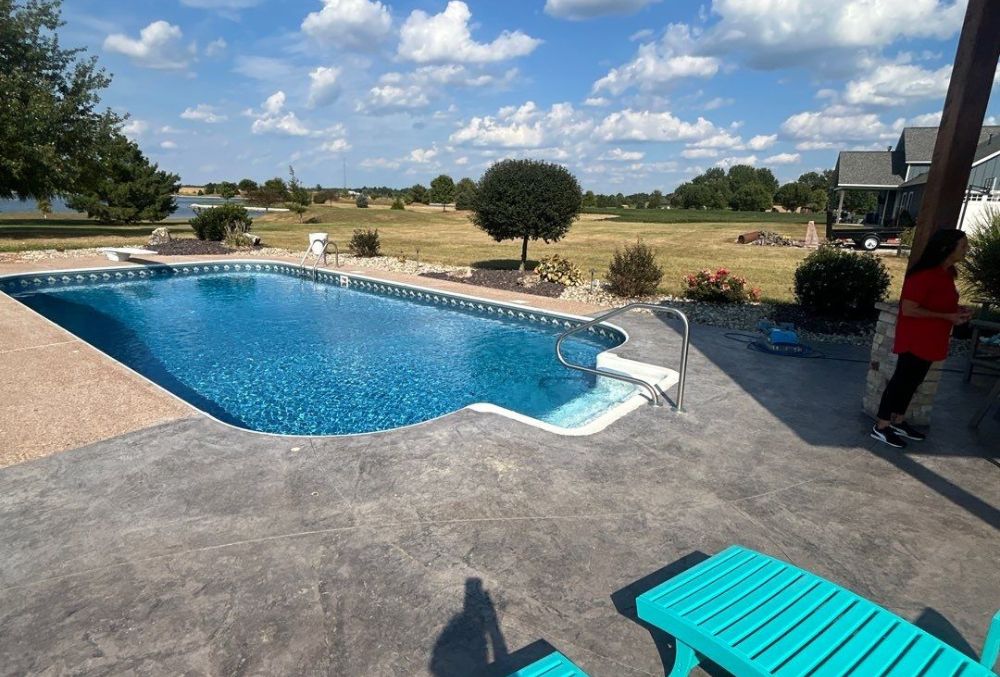
When most Kansas City homeowners think about pool deck safety, they picture the hazard they can see: a wet surface after kids climb out of the pool. That’s a real risk, but it’s only one of several weather-related safety factors that affect pool decks throughout the Missouri summer — and some of the less obvious ones are actually more persistent.
Shade, rainfall, and Missouri’s characteristically high humidity create surface conditions that make pool decks slippery, slick, and genuinely hazardous for reasons that aren’t always obvious until someone goes down.
Concrete pool deck resurfacing Kansas City is the most effective way to address these conditions at the surface level — applying the right texture, finish, and sealer system to keep your deck safe regardless of what Missouri’s weather delivers.
The Shade Problem: Why Covered Sections of Your Deck Are More Dangerous
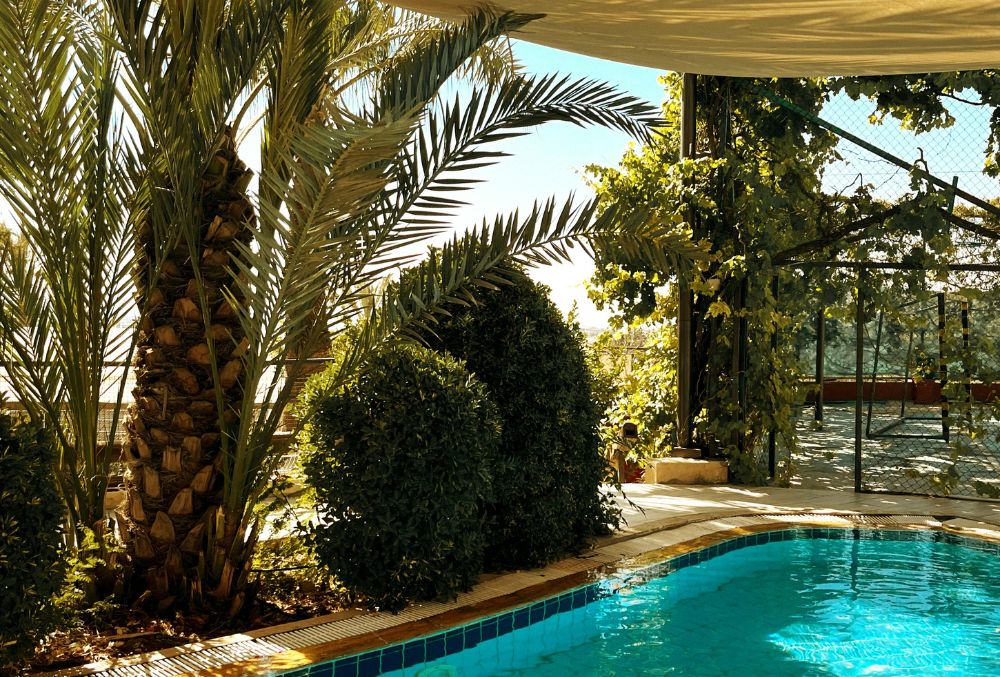
Shaded areas of a pool deck stay damp longer than areas in direct sun. In Missouri’s warm, humid climate, that extended moisture creates the ideal conditions for biological growth — specifically algae, mold, and mildew — to establish on the surface.
Algae and mildew on concrete are not just cosmetic problems. They create a biofilm on the surface that is far more slippery than plain wet concrete. On a smooth or lightly textured surface, a patch of algae growth can produce conditions equivalent to wet ice — grip disappears with no visual warning for someone walking barefoot.
The problem is most pronounced on pool decks with large trees providing afternoon shade, covered patio sections adjacent to the pool, or north-facing sections that receive minimal direct sun during the day. These areas may stay damp for hours after a rainfall or heavy morning dew, giving biological growth consistent conditions to thrive.
The solution is twofold: A slip-resistant surface texture reduces the slip severity when growth is present, and a proper sealer system makes biological growth harder to establish in the first place by reducing the moisture the surface retains.
Missouri Summer Rain: More Frequent Than Homeowners Expect
Missouri averages roughly 40 inches of rain per year, and much of it falls during the summer months — exactly when your pool is in use. Kansas City summers are not dry. Storm systems roll through regularly, often with little warning, and a pool deck that was dry and sunny ten minutes ago can be thoroughly wet in another ten.
On an uncoated or improperly finished concrete deck, that wet surface becomes a traction hazard the moment it’s wet. Children running from the pool, adults carrying drinks, and anyone moving at a normal outdoor pace on a wet smooth surface are all at genuine risk.
The right surface finish addresses this by providing consistent mechanical traction regardless of moisture level. A properly applied textured overlay or spray finish doesn’t just feel better when wet — it physically engages foot contact points in a way that smooth concrete cannot, reducing the sliding motion that causes falls.
Humidity: The Year-Round Moisture Load Kansas City Delivers
Missouri’s summer humidity is persistent and high. Overland Park, Lee’s Summit, and the rest of the Kansas City metro regularly see relative humidity above 70% during June, July, and August. Even on days without rain, that ambient moisture keeps pool deck surfaces slightly damp throughout the day.
For pool decks with concrete that has degraded sealer or surface micro-cracks, that persistent moisture infiltrates the surface continuously. The combination of humidity-driven moisture infiltration during summer and freeze-thaw cycling during winter creates an accelerating damage pattern that unsealed or poorly sealed concrete is not designed to handle.
Sealed and properly finished pool decks are significantly more resistant to humidity-driven damage. The surface sealer limits moisture absorption, keeping the concrete beneath drier and more structurally stable through both seasons.
What Surface Texture Means for Wet-Surface Safety
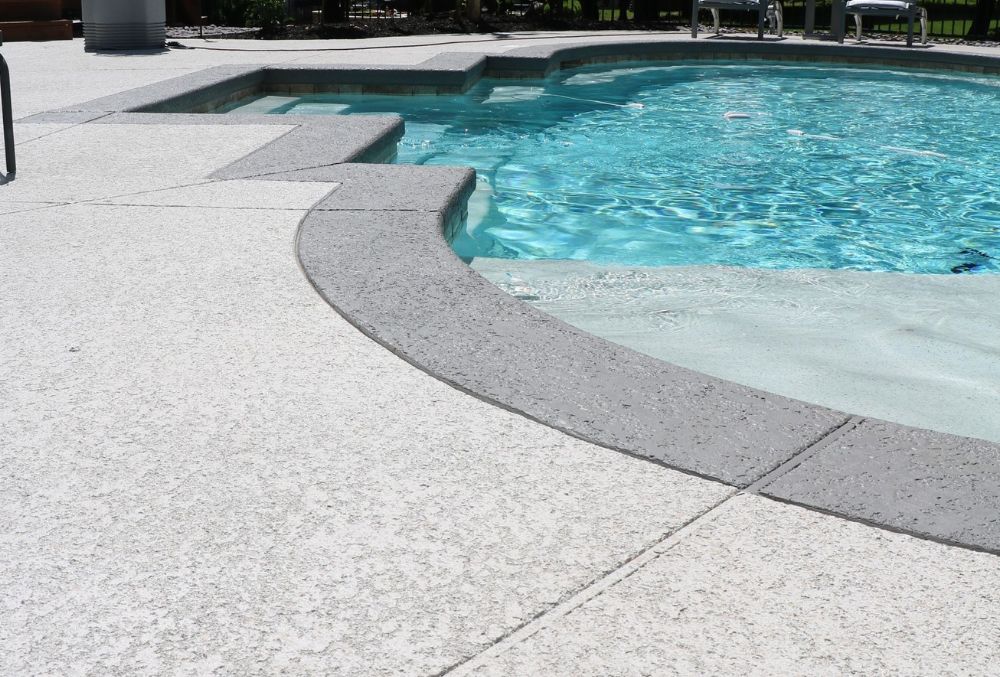
Not all “slip-resistant” pool deck surfaces are equal. The degree of protection depends on the specific texture profile, the depth and distribution of the grip elements, and how well those characteristics are maintained over time as the surface weathers.
Kansas City Concrete Artisans applies slip-resistant finishes that are specifically specified for pool deck environments — where wet-surface traction is the primary safety requirement rather than a secondary consideration. This includes spray texture systems, knockdown finishes, and stamped overlays with embedded slip-resistant aggregate, depending on the homeowner’s aesthetic goals.
It’s also worth noting that safety and comfort don’t have to be in tension. The best pool deck surfaces for Kansas City families are both slip-resistant enough for safe wet-weather use and comfortable enough for barefoot use throughout a summer afternoon.
Missouri’s weather patterns create a particular combination of surface threats, and freeze-thaw damage during winter is a significant part of that picture alongside rain and humidity. Our breakdown of freeze-thaw pool deck cracks covers the winter damage cycle in detail and explains why addressing both seasonal threats together produces the most durable long-term result.
Get a Free Safety and Surface Assessment
Call Kansas City Concrete Artisans at (816) 307-0325 or request a free quote online to have your pool deck evaluated for slip resistance, surface condition, and sealer integrity. We serve the full Kansas City metro including Overland Park, Olathe, Shawnee, Blue Springs, Independence, and surrounding communities.