Why Kansas City Freeze-Thaw Cycles Crack Pool Decks Faster Than Expected
If you’ve noticed your pool deck developing cracks each spring that weren’t there the previous fall, you’re not dealing with bad luck or a poor original installation. You’re dealing with one of the most consistent and aggressive concrete killers in the Midwest: the Kansas City freeze-thaw cycle.
Kansas City sits in a climate zone where temperatures routinely oscillate above and below freezing — sometimes multiple times in a single week during winter months. That pattern is far more damaging to outdoor concrete than sustained cold temperatures, and pool decks bear the brunt of it every year.
Pool deck resurfacing Kansas City is one of the most effective ways to restore and protect a deck that has already been damaged by freeze-thaw stress — and to apply the right protective system before the next winter cycle begins.
How Freeze-Thaw Cycles Actually Damage Concrete
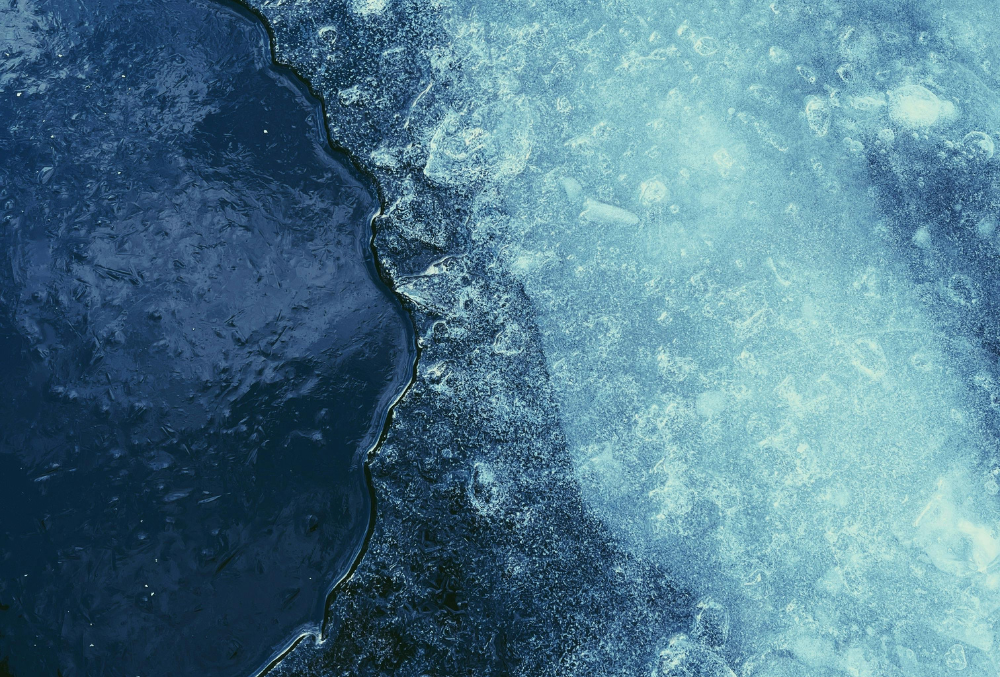
Concrete looks solid, but at a microscopic level it’s full of tiny pores, channels, and capillaries that allow moisture to move through the material. When moisture inside those pores freezes, it expands by roughly nine percent. That expansion exerts pressure on the surrounding concrete from within — pressure that the material is not designed to resist repeatedly.
In a single Kansas City winter, a pool deck can experience dozens of these expansion-contraction cycles. Each one does a small amount of damage. Micro-cracks form and widen slightly. Surface scaling begins where moisture near the surface freezes repeatedly.
Over two or three winters without intervention, what started as hairline surface cracks becomes visible structural cracking that allows even more moisture in — accelerating the cycle dramatically.
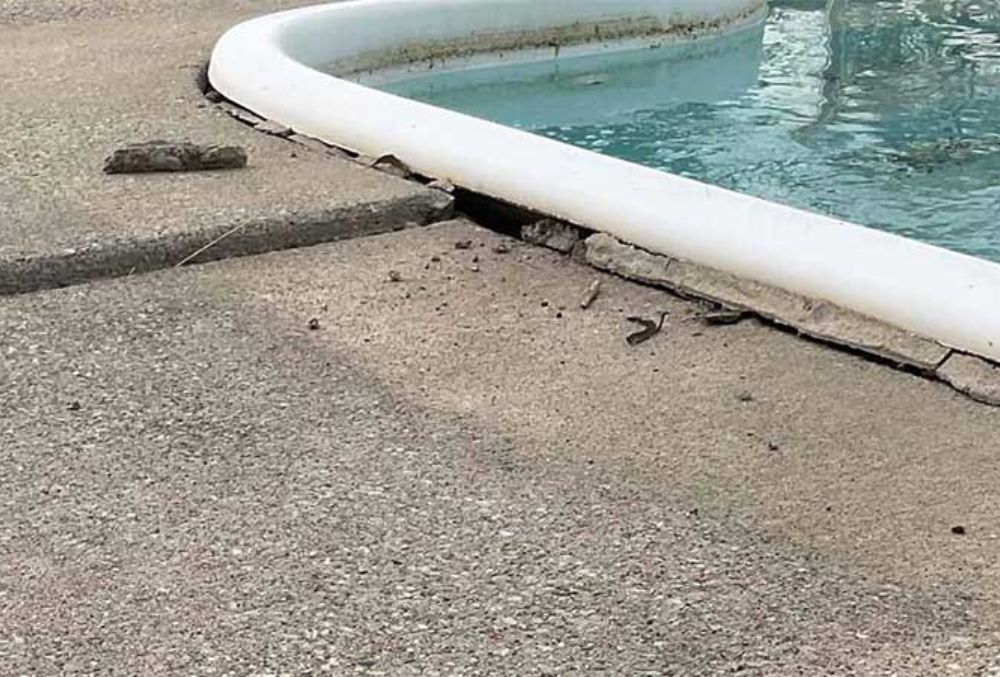
Why pool decks are especially vulnerable: Pool decks are designed to hold water. The coping edge, the deck surface, and the transition between the pool shell and the deck are all areas where water naturally collects and infiltrates. In summer, this is by design. In winter, it means those areas experience more freeze-thaw cycling than almost any other concrete surface on the property.
What Kansas City Winters Look Like for Outdoor Concrete
Kansas City averages more than 100 freeze-thaw cycles per year — significantly more than colder cities that simply stay frozen throughout winter. In Minneapolis or Chicago, temperatures drop and stay down for months at a stretch. In Kansas City, the temperature hovers near freezing and crosses it repeatedly.
A typical Kansas City January might see temperatures drop to 15°F overnight, climb to 38°F by midday, drop again overnight, and repeat for days. Each crossing of the freezing point is a moisture expansion event for any water that has entered the concrete. For a pool deck that went into winter with even minor surface damage or compromised sealer, this pattern is relentless.
Add in the effects of deicing products — road salt tracked to the pool area on shoes, or deicers applied to adjacent walkways — and the chemical-plus-freeze damage compounds further. Salt lowers the freezing point of water and drives moisture deeper into concrete before it freezes, amplifying the damage beyond what frost alone would cause.
The Signs Your Pool Deck Has Freeze-Thaw Damage
The progression of freeze-thaw damage follows a recognizable pattern on Kansas City pool decks:
Stage 1 — Surface scaling: The top layer of concrete begins to flake and peel in small sections. The surface feels rough and slightly pitted. This is early-stage freeze-thaw damage and the easiest to address.
Stage 2 — Visible cracking: Hairline cracks become visible, typically radiating from corners, expansion joints, or areas of highest water exposure. The cracks may not yet be wide, but they’re entry points for the next season’s moisture.
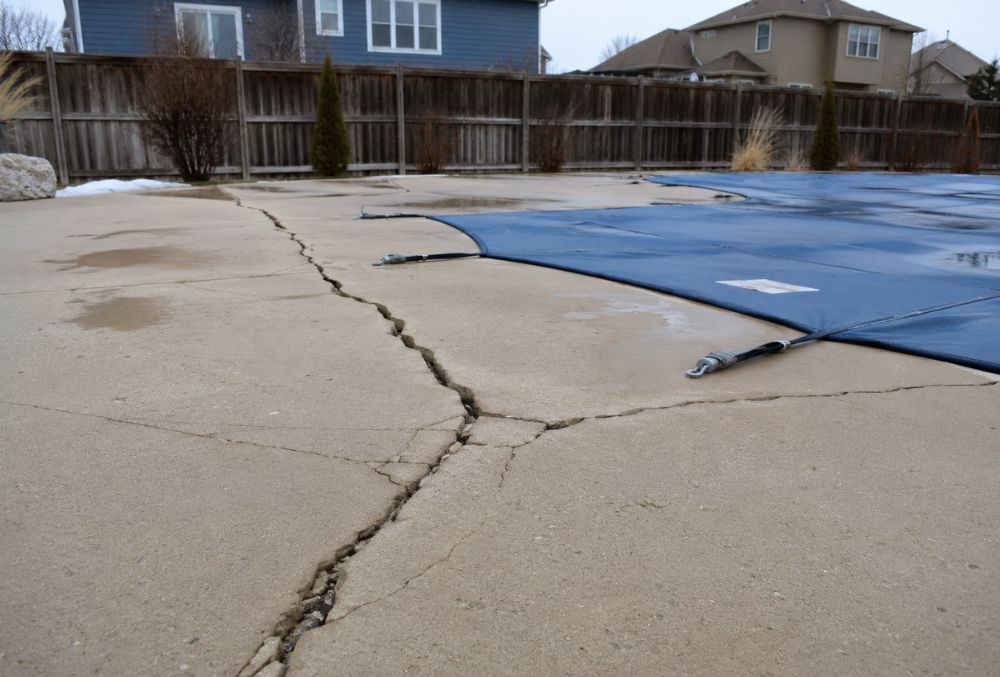
Stage 3 — Spalling and delamination: Larger sections of the surface layer separate and lift. The deck looks significantly deteriorated, and the cracks have widened enough to create trip hazards and accelerate water infiltration.
Stage 4 — Structural compromise: Water infiltration has reached the substrate. Cracking is deep and the slab may be heaving in sections due to frost pressure beneath the surface.
Each stage is more expensive to address than the previous one. The best time to intervene is Stage 1 or early Stage 2, before damage reaches the substrate.
How Professional Resurfacing Stops the Cycle
A professional pool deck resurfacing project addresses freeze-thaw damage in two ways: it repairs the existing damage and applies a surface system that significantly reduces moisture infiltration going forward.
Kansas City Concrete Artisans uses resurfacing systems that include crack repair, surface preparation, and a durable overlay coating with a UV-resistant, water-resistant sealer. The sealer layer is the critical element — it dramatically reduces the amount of moisture that can enter the concrete surface, limiting the source of freeze-thaw pressure from within the slab.
For Kansas City pool decks, the surface system also needs to accommodate thermal movement. A coating that bonds rigidly to concrete without any flexibility will crack under the same expansion-contraction stress that damaged the original surface. Properly specified flexible coating systems are designed to move with the concrete rather than against it.
Freeze-thaw damage doesn’t happen in isolation — it often works together with other Missouri climate factors that affect pool deck safety, a topic covered in detail in our guide to pool deck safety in Missouri weather. Understanding both threats together is key to choosing the right resurfacing solution for your property.
Get a Free Pool Deck Assessment Before Next Winter
Don’t wait for Stage 3 or 4 to get professional eyes on your pool deck. Call Kansas City Concrete Artisans at (816) 307-0325 or request a free quote online to schedule a surface inspection before freeze-thaw season begins. We serve Overland Park, Olathe, Lee’s Summit, Shawnee, Lenexa, Blue Springs, Independence, Liberty, Prairie Village, Gladstone, and surrounding communities.