What Midwest Weather Does to Bare Concrete Garage Floors Over 5 Years
If you’ve lived in Kansas City for more than a few years, you already know what Midwest weather looks like. Summers that push 100°F with humidity to match. Winters that oscillate around freezing for months, producing repeated cycles of ice, thaw, and refreeze. Spring storms that arrive fast and leave hard. Fall temperature swings that can drop 40 degrees in a day.
Most homeowners think about what this climate does to outdoor concrete. Fewer think about what it does to the garage floor. After all, the garage is enclosed — it’s not really “outside.”
But five years of Midwest weather leaves a clear and consistent mark on bare concrete garage floors in Kansas City, and understanding that progression explains why Kansas City garage floor resurfacing is one of the most practical investments a homeowner can make before damage reaches the point of requiring structural repairs.
Year One: The Baseline
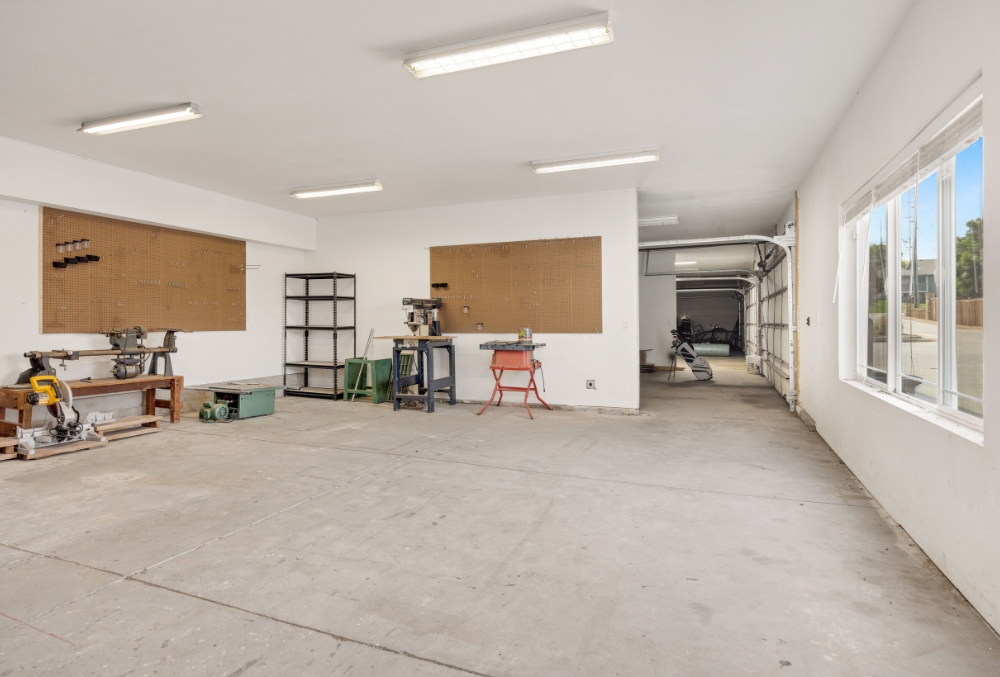
A new concrete garage floor looks uniform and professional. The surface is dense and relatively smooth. There’s no staining, no visible damage, and no reason for concern.
Beneath the surface, the concrete is beginning its relationship with Kansas City’s climate. Moisture is infiltrating the surface-layer pores. Road salt from tracked-in tire slush is beginning to interact with the concrete matrix. Thermal cycling is slowly opening micro-fractures invisible to the naked eye.
None of this is visible. Everything looks fine.
Year Two to Three: The Staining Stage
By the second or third winter, the first visible signs of wear appear. Oil drips from parked vehicles leave permanent dark stains that won’t come out with simple cleaning — because the oil has absorbed into the unsealed concrete. Salt deposits from winter tire contamination leave white, chalky efflorescence near the garage door entry zone.
The surface color has shifted from a uniform gray to a mottled pattern of oil stains, salt deposits, tire rubber transfer, and discoloration from moisture cycling. It no longer looks new.
For most Kansas City homeowners, this is the stage where the floor becomes “something to deal with someday.” The damage is cosmetic, not structural. It’s still functionally sound. The urgency isn’t there yet.
But the underlying processes — salt infiltration, moisture cycling, thermal stress — are continuing. The cosmetic stage is also the acceleration stage for what comes next.
Year Three to Five: The Surface Degradation Stage
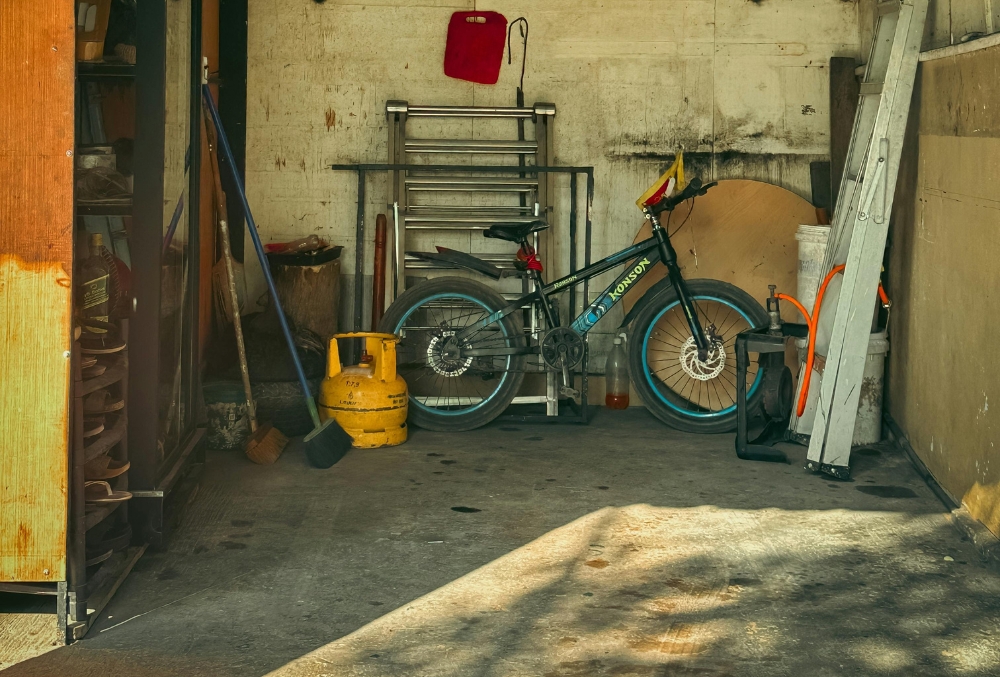
Between years three and five, the cosmetic damage becomes structural. Surface scaling begins in the areas of highest salt and moisture exposure — typically near the garage door entry and along the edges of the floor. The surface flakes and pits, becoming rough in texture.
Hairline cracks appear, often following the natural stress patterns of the slab — corner-to-corner, radiating from anchor points, following temperature differential lines near the garage door. These cracks are small individually, but they open moisture entry points that accelerate the freeze-thaw damage cycle significantly.
The floor that was an afterthought at Year 2 is now a maintenance problem at Year 4. It’s visible, it’s getting worse, and it’s beginning to affect the overall appearance and perceived condition of the property.
Year Five and Beyond: Structural Compromise Becomes Possible
Without intervention, the damage that accelerated in years three through five continues. Cracks widen. More scaling occurs. In severe cases, sections of the surface layer delaminate — lifting away from the substrate in sheets or chunks.
At this stage, simple resurfacing may no longer be sufficient depending on the extent of the structural damage. Section repair or full-slab evaluation becomes part of the conversation. The cost of remediation has escalated significantly from what a protective coating at Year One would have required.
For most Kansas City garage floors that have reached Year Five or beyond without protection, a professional assessment is the first step — because the right intervention at this stage depends on how far the damage has progressed and whether the slab integrity has been compromised.
Coating Systems That Interrupt the Progression
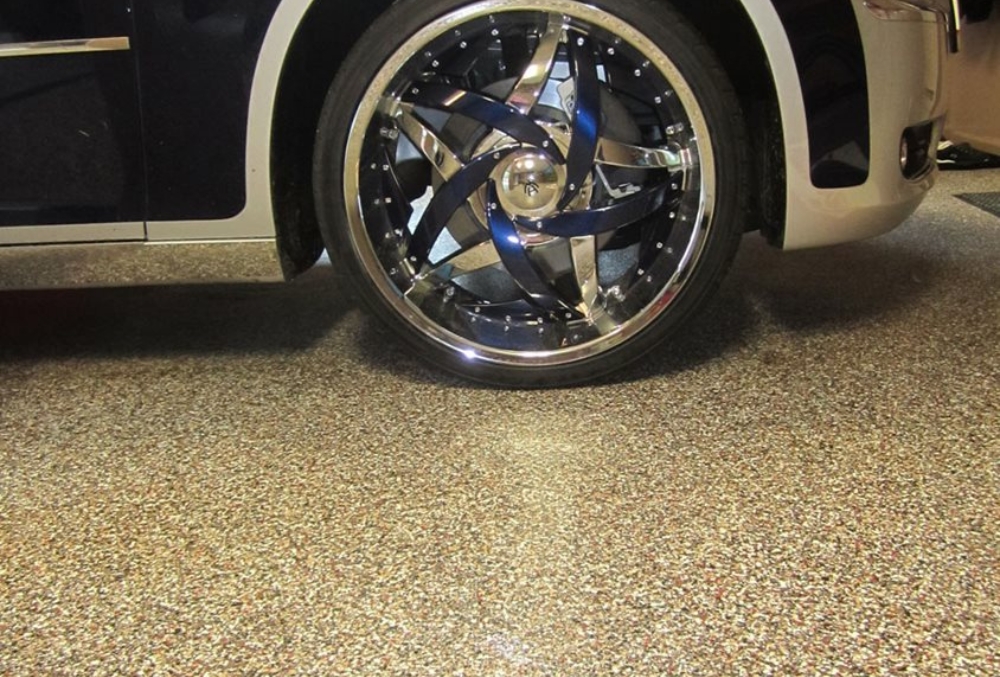
A professionally applied garage floor coating — whether epoxy or polyurea polyaspartic — interrupts this progression at whatever stage the floor is currently in. Surface preparation removes contamination and prepares the concrete for bonding.
Cracks and significant surface defects are repaired prior to coating application. The coating system then creates a sealed, chemically resistant surface that prevents salt, moisture, and oil from reaching the concrete beneath.
Polyurea polyaspartic systems are particularly well-suited to Kansas City’s climate because their flexibility accommodates thermal expansion and contraction without cracking — the same characteristic that causes rigid coatings to fail in environments with significant temperature cycling.
The KC winter effects are a major part of this damage story, and our breakdown of how Kansas City winters damage garage floors covers the specific winter mechanisms in more detail — particularly the salt infiltration and freeze-thaw dynamic that drives so much of the deterioration described above.
Stop the Clock on Your Garage Floor
Call Kansas City Concrete Artisans at (816) 307-0325 or request a free garage floor assessment online to find out what stage your floor is currently in and what the right intervention looks like. We serve the full Kansas City metro including Overland Park, Lee’s Summit, Shawnee, Independence, Blue Springs, Olathe, and surrounding communities.